
Cloud-Native Data Platforms for Next-Generation RegTech Solutions

The financial industry operates within one of the most heavily regulated environments in the world. Financial institutions must comply with a wide range of regulations related to anti-money laundering (AML), fraud detection, risk management, data protection, and reporting. As regulatory requirements continue to evolve and the volume of financial data grows exponentially, traditional compliance systems are struggling to keep up. This has led to the emergence of RegTech (Regulatory Technology) — technology solutions designed to streamline and automate regulatory compliance processes.
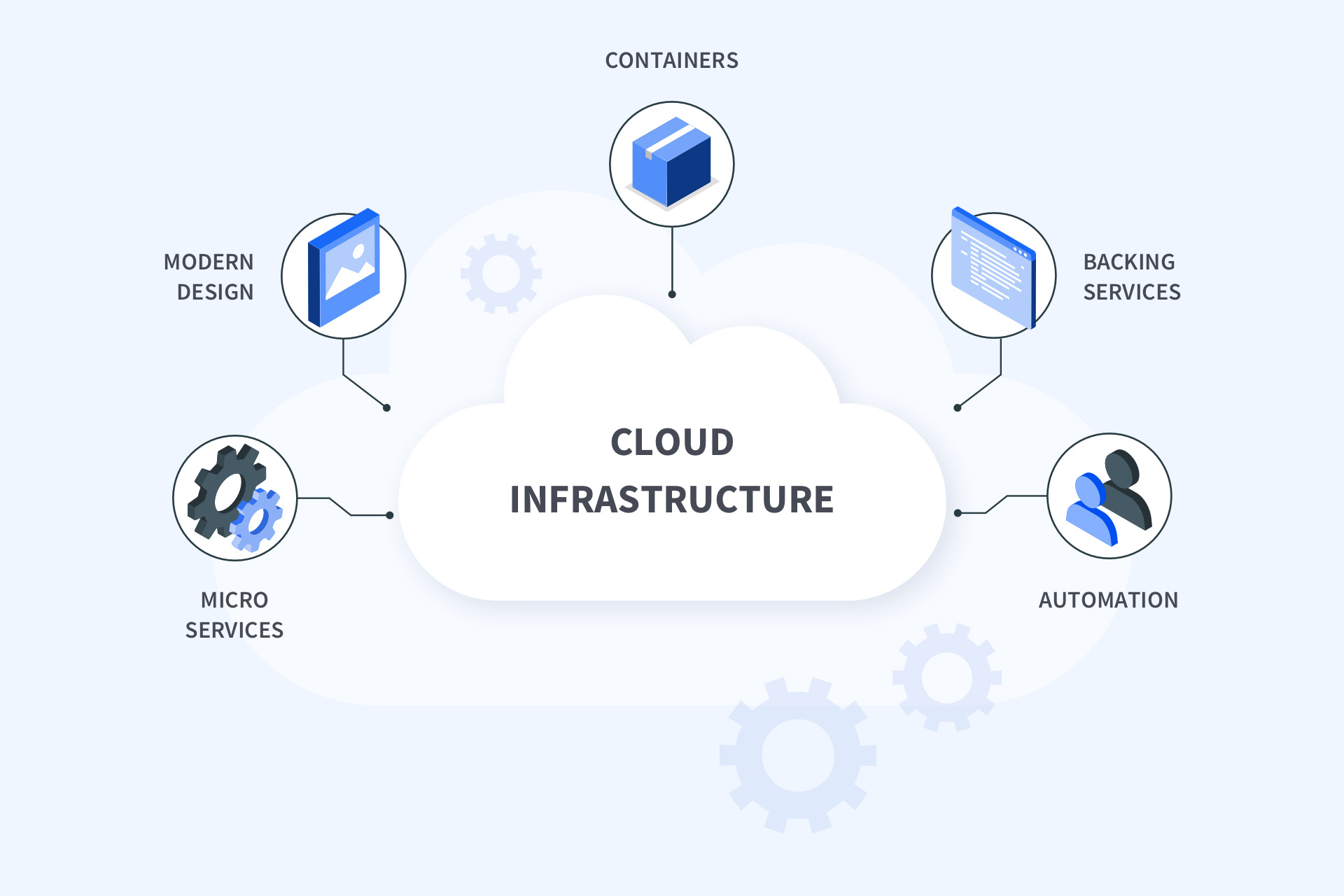
In recent years, cloud-native data platforms have become a key enabler for next-generation RegTech solutions. These platforms leverage the scalability, flexibility, and resilience of cloud computing to process massive volumes of data in real time, enabling organizations to meet regulatory requirements efficiently while reducing operational costs. By combining cloud-native architecture with advanced analytics, artificial intelligence, and automation, financial institutions can transform compliance from a reactive obligation into a proactive strategic capability.
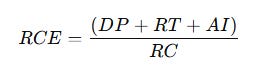
EQ.1: RegTech Compliance Efficiency Model
The Growing Complexity of Regulatory Compliance
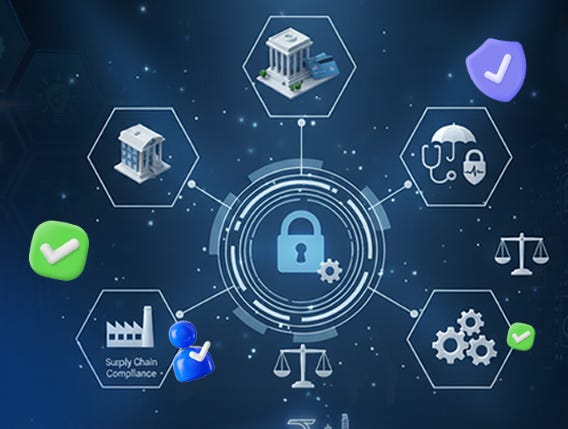
Financial institutions face increasing regulatory pressure across multiple jurisdictions. Regulations such as Know Your Customer (KYC), Anti-Money Laundering (AML), General Data Protection Regulation (GDPR), and Basel III require organizations to monitor transactions, maintain detailed records, and report suspicious activities promptly. Failure to comply can result in significant financial penalties and reputational damage.
Traditional compliance systems are often built on legacy infrastructure that lacks scalability and flexibility. These systems rely on batch processing and siloed data storage, which makes it difficult to analyze data quickly or integrate new regulatory requirements. As financial transactions become more digital and global, the amount of data that needs to be processed has increased dramatically. Organizations must now analyze billions of transactions and customer interactions in near real time.
This growing complexity highlights the need for modern technology architectures that can handle large-scale data processing while ensuring security, transparency, and regulatory compliance.
What Are Cloud-Native Data Platforms?
Cloud-native data platforms are systems designed specifically to run in cloud environments using modern architectural principles such as microservices, containerization, serverless computing, and distributed data processing. Unlike traditional systems that are simply migrated to the cloud, cloud-native platforms are built to fully leverage the capabilities of cloud infrastructure.
Key characteristics of cloud-native data platforms include:
Scalability: The ability to scale resources dynamically based on workload demands.
Elasticity: Automatic adjustment of computing resources to handle fluctuating data volumes.
Resilience: Built-in fault tolerance and high availability to ensure uninterrupted operations.
Automation: Automated deployment, monitoring, and management through DevOps practices.
Real-time processing: Capability to process and analyze streaming data instantly.
These features make cloud-native platforms ideal for handling the data-intensive workloads associated with regulatory compliance.

Role of Cloud-Native Platforms in RegTech
Cloud-native data platforms play a crucial role in enabling modern RegTech solutions. They allow organizations to collect, process, and analyze vast amounts of structured and unstructured data from multiple sources, including financial transactions, customer records, market data, and regulatory reports.
One of the key advantages is real-time monitoring. By leveraging streaming data technologies, financial institutions can detect suspicious transactions as they occur rather than after the fact. This significantly improves fraud detection and anti-money laundering capabilities.
Another important aspect is data integration. Cloud-native platforms enable seamless integration of data from internal systems, external databases, and regulatory agencies. This helps create a unified view of compliance data, making it easier for organizations to generate accurate reports and respond to regulatory inquiries.
Additionally, cloud-native platforms support advanced technologies such as machine learning and artificial intelligence, which can analyze patterns and identify anomalies in financial data. These capabilities allow RegTech systems to detect potential risks more accurately and reduce false positives in compliance monitoring.
Benefits for Financial Institutions
Adopting cloud-native data platforms for RegTech solutions offers several significant benefits.
1. Improved Scalability and Performance
Cloud-native architectures can process large volumes of data efficiently, allowing financial institutions to scale their compliance systems as transaction volumes grow. This ensures consistent performance even during peak periods.
2. Faster Regulatory Reporting
Automated data pipelines and analytics enable organizations to generate regulatory reports quickly and accurately. This reduces the time and effort required for compliance reporting and minimizes the risk of errors.
3. Cost Efficiency
Traditional compliance systems require significant investment in hardware, maintenance, and upgrades. Cloud-native platforms operate on a pay-as-you-go model, allowing organizations to pay only for the resources they use. This reduces infrastructure costs and improves operational efficiency.
4. Enhanced Security and Data Governance
Cloud providers offer advanced security features such as encryption, identity management, and access controls. Combined with strong data governance frameworks, these capabilities help organizations protect sensitive financial data while meeting regulatory requirements.
5. Increased Agility
Regulatory requirements change frequently. Cloud-native platforms allow organizations to deploy updates and new compliance features rapidly without disrupting existing operations. This agility is essential in today’s dynamic regulatory environment.
Technologies Powering Cloud-Native RegTech Platforms
Several technologies form the foundation of cloud-native data platforms used in RegTech solutions.
Distributed Data Processing Frameworks: Tools such as Apache Spark and Flink enable large-scale data processing across distributed systems.
Data Lakes and Lakehouses: Cloud-based data storage solutions allow organizations to store and analyze both structured and unstructured data in a centralized environment.
Containerization and Orchestration: Technologies like Docker and Kubernetes enable flexible deployment and management of microservices.
Streaming Data Platforms: Tools such as Apache Kafka enable real-time data ingestion and processing.
AI and Machine Learning Platforms: Advanced analytics platforms allow financial institutions to build predictive models for risk detection and compliance monitoring.
These technologies work together to create highly scalable and intelligent RegTech systems.
Challenges and Considerations
Despite the many advantages, adopting cloud-native data platforms for RegTech also presents certain challenges.
One major concern is data privacy and regulatory restrictions. Financial institutions must ensure that sensitive customer data is stored and processed in compliance with local regulations and data residency requirements.
Another challenge is integration with legacy systems. Many organizations still rely on older infrastructure, and migrating these systems to cloud-native architectures can be complex and time-consuming.
Additionally, organizations must develop skilled teams capable of managing cloud-native technologies, data engineering pipelines, and advanced analytics models.
To overcome these challenges, companies often adopt a hybrid approach, gradually integrating cloud-native platforms while maintaining certain critical systems on-premises.
The Future of Cloud-Native RegTech
The future of RegTech will be increasingly driven by cloud-native technologies and intelligent data platforms. Emerging innovations such as AI-driven compliance monitoring, blockchain-based regulatory reporting, and automated policy enforcement will further enhance the capabilities of RegTech solutions.
As regulatory frameworks continue to evolve, cloud-native platforms will provide the flexibility needed to adapt quickly. Financial institutions will be able to implement new compliance rules, monitor risks in real time, and collaborate more effectively with regulators.
Furthermore, the integration of big data analytics and artificial intelligence will enable predictive compliance, where potential regulatory issues are identified and addressed before they become violations.
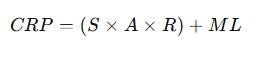
EQ.2: Cloud-Native RegTech Performance Model
Conclusion
Cloud-native data platforms are transforming the way financial institutions approach regulatory compliance. By providing scalable infrastructure, real-time analytics, and advanced automation capabilities, these platforms enable next-generation RegTech solutions that are more efficient, accurate, and adaptable.
As financial regulations become more complex and data volumes continue to grow, organizations must move beyond traditional compliance systems and embrace modern cloud-native architectures. Those that successfully adopt these technologies will not only reduce compliance costs but also gain a strategic advantage in managing risk and maintaining regulatory trust.
In the evolving landscape of financial services, cloud-native data platforms will serve as the backbone of innovative RegTech ecosystems, helping institutions navigate regulatory challenges while supporting sustainable growth and digital transformation.